
Build It By the Bootstraps: You Can Do Leather Repair From Home
Disclosure: Our content is reader-supported. This means we may earn an affiliate commission for links you click on. There’s no cost to you. If you’d like to learn more about how Anywhere and Anytime Careers is funded, click here.

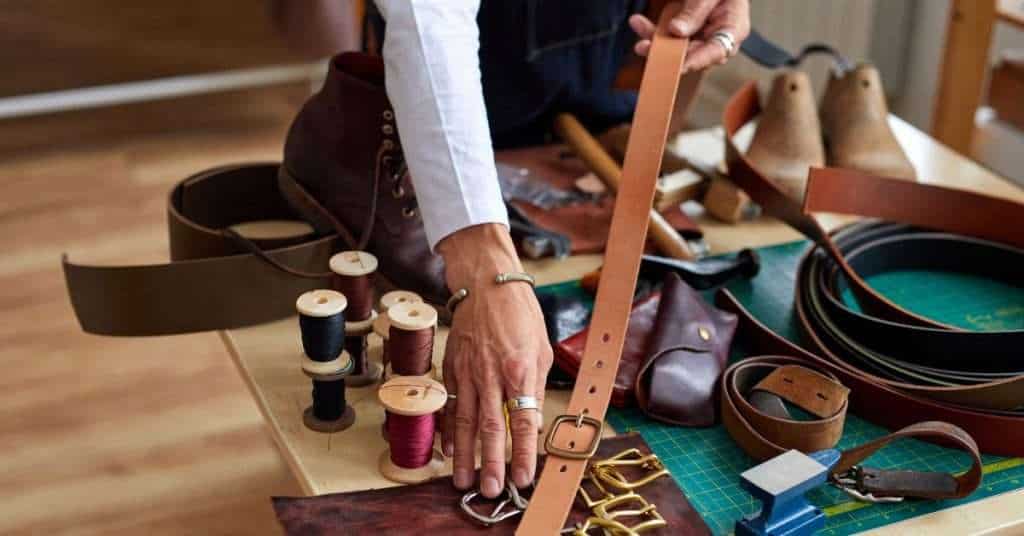
If you’re the type of mom or dad who loves spending time in your workshop, we might have a great work-from-home idea for you. Since you’re already good with your hands, starting a leather repair shop at home might be a fantastic way to build a side hustle or even a steady income.
Did you know that, according to Statista, Americans have spent nearly $18 billion on leather goods in 2025? The market is expected to expand, too. So that means an almost endless supply of jackets, boots, furniture, and other leather goods that will need maintenance.
This guide breaks down the basics of starting your own leather repair shop. We’ll look at tools and setting up your workspace at home, how to learn and build your skills, marketing tactics, and how to navigate this business alongside family life.
Setting Up a Dedicated Workspace
Having a space for your leatherworking help you focus and keep everything organized. This means you can make the most of your workshop time. Not only that, but a workspace with a door you can close will keep tools and chemicals out of your kids’ reach.
Equipping your space with these essentials will give you a good start:
- A sturdy workbench or table with space enough for the type of leather repair you want to from your home shop.
- Room and task lighting that illuminates the workspace, projects, and plans.
- Safe and efficient storage for your tools and any chemicals you need.
- If you have loud power tools, you might want to add soundproofing, too.
If you’d like to see how a leather workshop can reflect personal interests and family history, check out the leather workshop tour video below.
Improving Your Leather Repair Skills
Once you have a workspace set up, the next step in starting a leather repair shop at home is building your leatherworking skills. If you’re a beginner, you might want to go for a general DIY guide for leather repair or find YouTube tutorial videos.
You could also opt for taking classes at a local trade school or community program.
Here are some early techniques you may want to learn:
- Stitching and patching tears
- Reshaping leather
- Replacing zippers
- Cleaning and dyeing leather
Once you’ve mastered the early techniques, you can gradually move on to more detailed and complicated work. You might try cleaning Western boots with sequined inlays, repairing antique leather furniture, or leather tooling and crafting.
If you aren’t ready to work for money, you can practice on old items. Thrift stores and garage sales can be great sources. You can also check your basement or ask friends and family if they have items you can repair for them.
Invest in Quality Tools and Materials
Leather repair is precision work. That means you’ll need specialized tools for your projects. Making sure you purchase high-quality tools and supplies will help you create exceptional results that make your customers happy.
Here are some tools and supplies to consider when starting a leather repair shop from home:
- Leather adhesives and conditioners
- Heavy-duty needles and threads
- Cutting tools
- A sewing machine that can handle thick materials to speed up your work
Spending more on quality tools upfront can save you a lot of time and frustration later. This investment may seem steep, but it may be building the foundation for what could grow into a business with long-term potential.
If you can’t afford to buy everything at once, consider buying simpler items second-hand and building from more basic tools to more specialized ones. That way, you can use some of your profits to (maybe literally!) bootstrap your business.
Promoting Your New Leatherworking Business
If you’ve put your funds into tools and learning, you might not have the budget to advertise. So we’ve got some ideas on no-cost approaches to try. You can promote your leather repair shop in a few ways:
Social Media
Using your social media accounts to show off before-and-after photos of finished repairs or cleaning projects is a great way to show off your skills. Post quick videos with leather care tips and share updates about your progress. A friendly and consistent online presence builds trust and interest.
You can also join groups that intersect with your skills. If you repair tack and riding boots, look for riding clubs, rodeos, and the like. If you love restoring leather furniture, home décor or antiques groups could be perfect. Become part of the community, offer more than you ask, and don’t self-promote unless it’s allowed.
Free Community Advertising
Scout your area for places where you can post notices. Community or senior centers, restaurants, and independent businesses often have bulletin boards where you can post flyers to let people know who you are and what you do.
Local Partnerships
You can also bring in customers by collaborating with other businesses in your area. If you repair footwear and jackets, maybe reach out to nearby boutiques or shoe stores to suggest mutual referrals. If you repair furniture, talk with decorators or thrift stores. You might become their go-to for those looking to restore a piece. Offer some business or discount cards. If they sell a damaged item, they could include your referral.
People still rely heavily on word-of-mouth, especially for skilled services like leather repair. So work on building relationships with other businesses. Let them know you’re starting a leather repair shop, show samples of your work, and ask them to refer you.
For example, if you know how to use leather paint to repair a peeling couch, you could make a good profit from restoring these couches for those who buy them used or don’t want to replace a beloved family piece. Check out the video below for the technique.
Conclusion: Bootstrap Your Leather Business
As you create a separate workspace, build up your toolbox, and refine your skills, your confidence and success will increase, too. With determination and consistent effort, you can bootstrap your way into a profitable side hustle.
Starting a leather repair shop at home can begin with something as simple as cleaning cowboy boots while your children are at school. With time and experience, you might eventually be restoring legacy leather clothing and furniture. It’s up to you!